
Engineered Quartz Review for Design-Minded Homes
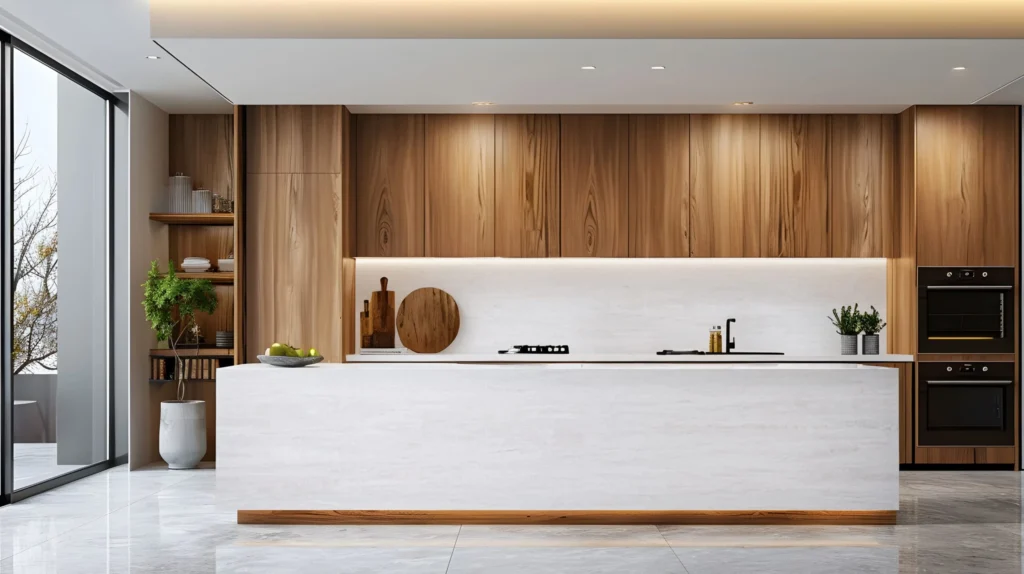
A countertop can look perfect in a small sample and feel entirely different across a full kitchen island. That is the central question behind any engineered quartz review: not simply whether the material is durable, but whether its color, movement, finish, and everyday performance suit the way you live. For homeowners planning a refined kitchen or bath, engineered quartz can be an exceptionally dependable choice – provided the slab is selected with the same care as the cabinetry, lighting, and stonework around it.
What Engineered Quartz Is Made For
Engineered quartz is a manufactured surface made primarily from ground natural quartz minerals combined with resins, pigments, and other performance-enhancing materials. The result is a dense, nonporous slab with controlled color, pattern, and finish options that range from quiet solid tones to expressive marble-inspired veining.
Its strongest appeal is consistency. Natural stone is formed over millennia, and every block carries its own mineral character. Quartz is designed, which allows for a more predictable look across a project. That predictability can be especially valuable when a homeowner wants clean visual continuity between a large island, perimeter countertops, a backsplash, and a vanity.
Yet consistency should not be mistaken for sameness. Premium engineered quartz collections have become far more sophisticated in recent years. The best designs layer depth, soft tonal shifts, veining, and mineral-like details to avoid the flat appearance associated with earlier quartz surfaces. A carefully hand-selected slab still matters, particularly for designs with movement or directional veining.
Engineered Quartz Review: The Everyday Advantages
For active kitchens and well-used bathrooms, engineered quartz earns its reputation through practical performance. Its nonporous composition means it does not require the routine sealing associated with many natural stones. Spills from coffee, oil, cosmetics, and common household products are generally easy to wipe away before they become a concern.
This material is also highly resistant to ordinary scratches and stains. That makes it well suited to households that want a polished surface without turning daily use into a maintenance ritual. A soft cloth, mild soap, and water will handle most cleaning needs. For residue, a nonabrasive cleaner recommended for quartz is the more thoughtful choice.
The surface offers another advantage for design professionals and remodel teams: dependable fabrication planning. Because the color and pattern are engineered, it can be easier to coordinate multiple slabs, compare sample colors against cabinetry, and specify a look that remains consistent throughout a larger residence.
Quartz can be particularly compelling in spaces where the visual goal is restrained luxury. A warm white with subtle movement can soften rift-sawn oak cabinets. A deep charcoal or black can provide a tailored counterpoint to pale walls and brushed metal fixtures. Veined quartz can create the tailored drama of marble while offering a more forgiving maintenance profile for a busy family kitchen.
Where Quartz Has Limits
A useful engineered quartz review should be clear about trade-offs. Quartz is durable, but it is not indestructible. Its resins can be affected by extreme or prolonged heat, so hot cookware should never be placed directly on the countertop. Trivets are a small habit that helps protect the finish and keeps the surface looking composed over time.
Direct outdoor exposure is another consideration. Sunlight and weather can cause some quartz products to fade, discolor, or warp over time. For an outdoor kitchen, natural materials selected for exterior conditions are often the stronger option. The same careful product review applies to bright sunrooms or areas with intense, constant sunlight.
Quartz is also less appropriate for homeowners who want complete geological individuality. A natural quartzite, marble, granite, or soapstone slab has variation that cannot be replicated precisely. Veins may widen, colors may shift, and quiet mineral details may appear unexpectedly. Those characteristics are not flaws. They are the signature of a natural material, and for some projects they are exactly what makes the surface feel exceptional.
Finally, engineered quartz requires thoughtful fabrication. Cutting and finishing quartz creates respirable crystalline silica dust, which must be managed with appropriate wet-cutting methods, ventilation, and professional safety practices. Homeowners do not need to manage that process themselves, but they should work with experienced fabricators who do.
Design Questions to Ask Before Choosing a Slab
The best quartz selection begins with the room, not the swatch. Bring cabinet samples, flooring, paint colors, tile, and hardware finishes into the conversation. A quartz that appears crisp white in isolation may read cool beside creamy cabinetry or appear warmer next to blue-gray paint.
Look at the Full Slab, Not Only a Sample
Small samples are useful for narrowing a color family, but they cannot show the full scale of a pattern. This is especially true with marble-look quartz. The placement, width, and direction of veining can change the visual effect of an island dramatically.
At a slab appointment, stand back from the material and view it in broader context. Then move closer and study the finish. Ask where seams may fall, how the veining can be positioned on the island, and whether the backsplash will continue the same movement. These details create the difference between a surface that is merely selected and one that is thoughtfully composed.
Decide Whether You Want Quiet or Movement
A calm, low-variation quartz often works beautifully in a kitchen with detailed cabinetry, patterned tile, or a statement light fixture. It gives the room space to breathe. In a more restrained kitchen, a bolder veined slab can become the focal point and add the depth that painted cabinets alone may not provide.
Neither direction is inherently better. The right choice depends on how many competing materials are already in the room and whether the countertop should support the design or lead it.
Consider Edge Profiles and Finish
The edge profile affects how quartz reads. A simple eased edge feels modern and understated. A more substantial mitered edge can give an island a dramatic, furniture-like presence. Honed or matte finishes can offer a softer, more contemporary appearance, though they may show fingerprints or temporary marks differently than polished surfaces.
Ask to see finish and edge examples in person. The tactile experience matters as much as the photograph.
Best Rooms for Engineered Quartz
Kitchens remain the natural home for quartz because they combine visual importance with frequent use. It performs well on island tops, perimeter counters, and full-height backsplashes, where a single material can create a calm, architectural effect.
Bathrooms are another excellent application. Quartz brings a clean, tailored look to vanity tops, shower ledges, and cosmetic stations, while its low-maintenance surface suits spaces where water, makeup, and personal-care products are used daily. For a powder room, a more expressive quartz slab can also create a memorable focal point in a relatively compact space.
For accent walls and fireplace surrounds, the decision is more design-driven. Quartz can offer a sleek, controlled statement indoors, especially when a project calls for coordinated surfaces. However, a natural stone may be the more compelling choice when the room needs singular movement, texture, or a one-of-a-kind visual presence.
How to Care for Quartz Without Overthinking It
Good care is straightforward: wipe spills, use a cutting board, and place hot cookware on a trivet. Avoid harsh oven cleaners, paint removers, drain cleaners, and abrasive scouring pads, which can dull or damage the surface. Do not use the countertop as a work surface for heavy tools or sharp knives.
For most households, this is all quartz asks in return. Its appeal is not that it eliminates every responsibility, but that it makes a beautiful surface easier to live with day after day.
The Value of an In-Person Selection
Digital images can suggest a quartz color, but they cannot fully communicate its finish, depth, or relationship to surrounding materials. Lighting changes every surface. A slab that appears cool in a showroom may look softer in a home with warm oak floors and afternoon sun.
At Unique Stone Boutique, a one-on-one slab selection allows homeowners, designers, and remodel professionals to compare materials at full scale and ask practical questions before finalizing a direction. That guidance is especially valuable when choosing between the composed elegance of quartz and the organic variation of natural stone.
The most successful surface is the one that feels right long after the renovation dust has settled. Choose engineered quartz when its controlled beauty and everyday ease support your vision, and take the time to see the actual slab before making it part of your home.