
Austin Kitchen Slab Selection Guide for Lasting Style
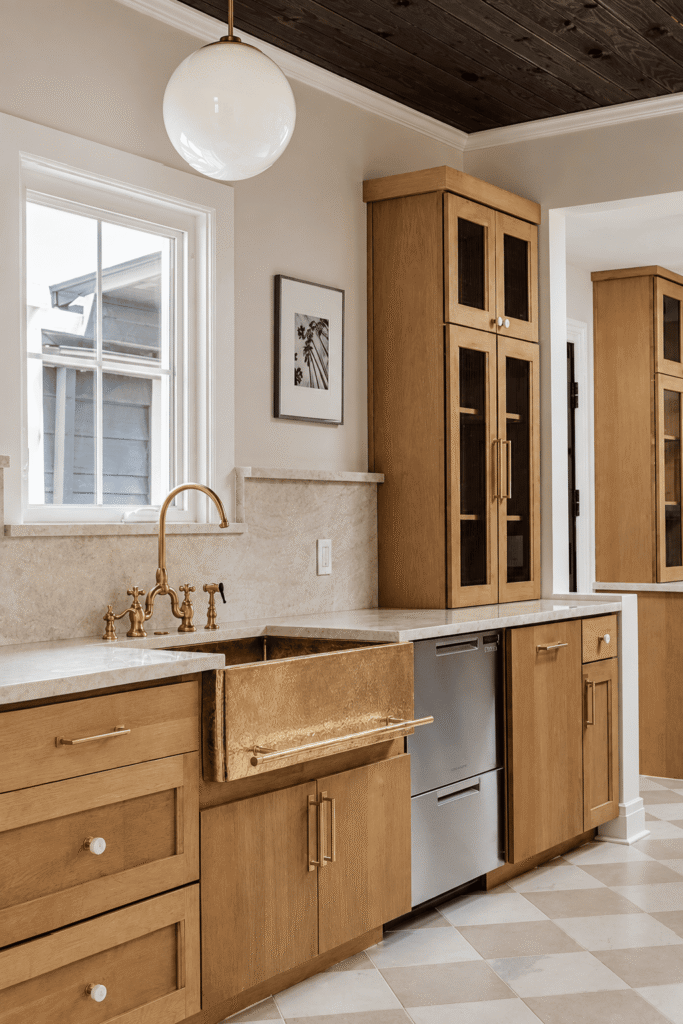
A kitchen slab is not just a countertop decision. It sets the visual temperature of the room, influences how light moves across the space, and becomes one of the most touched surfaces in the home. This Austin kitchen slab selection guide is designed to help homeowners and design professionals narrow the field with clarity, from the first inspiration image to the final in-person slab selection.
The best material is rarely the one that looks good in a small sample alone. It is the slab that suits the way the kitchen is used, complements the cabinetry and lighting, and still feels considered when viewed across an island, backsplash, or full-height accent wall. A carefully hand-selected surface brings depth, movement, and lasting character that a generic material choice often cannot.
Austin Kitchen Slab Selection Guide: Begin With the Room
Before comparing stone categories, consider the kitchen as a whole. Cabinet finish, floor tone, wall color, hardware, window exposure, and the scale of the room all influence which slab will feel right. A bold quartzite with sweeping movement may be spectacular on a large waterfall island, while a quieter quartz or softly veined marble may allow custom cabinetry or statement lighting to take the lead.
Natural light deserves particular attention in Central Texas homes. Strong afternoon sun can make a white surface appear warmer, brighten subtle gold veining, or reveal a stone’s crystalline structure. In a kitchen with limited daylight, a honed dark stone can feel rich and architectural, but it may absorb more light than expected. Viewing full slabs under different showroom lighting conditions offers a much more accurate read than choosing from a small swatch.
Also think about where the material will be installed. An island is often the focal point and can carry more visual movement. Perimeter countertops may call for a quieter companion surface, particularly when a patterned backsplash, range hood, or wood-grain cabinetry is already present. There is no rule that every surface must match. The goal is a composition that feels intentional.
Choose a Material That Fits Daily Life
Every premium surface has its own strengths, visual language, and care considerations. The right choice depends on how the household cooks, entertains, and feels about natural variation.
Quartz for polished practicality
Quartz is an engineered surface valued for its consistency, low-maintenance nature, and broad range of color options. It is well suited to busy kitchens where homeowners want a refined appearance without the natural variation and routine sealing associated with some stones. High-quality quartz can create everything from crisp, clean white kitchens to warm, layered spaces with soft veining and natural-inspired movement.
Nova Quartz offers a curated option for clients looking for dependable performance and elevated design direction. It can be an especially strong fit for families, frequent entertainers, and projects where a consistent visual result across multiple surfaces matters. While quartz is highly resistant to staining, it should still be protected from excessive direct heat. Trivets and sensible kitchen habits remain worthwhile.
Quartzite for natural drama and strength
Quartzite is a natural stone admired for its density, durability, and striking geological movement. It may present as soft and cloudlike, sharply veined, or richly layered with tones of cream, gray, gold, green, blue, or rust. No two slabs are identical, which is precisely why many homeowners and designers seek it out.
A true quartzite is often an excellent candidate for a high-use kitchen, but material names can be confusing in the marketplace. Some stones sold under quartzite-style names may behave differently than a dense, true quartzite. That makes knowledgeable slab guidance valuable. Understanding the specific stone, its finish, its absorption characteristics, and its recommended care is more useful than relying on a category label alone.
Marble for timeless softness
Marble has a presence that is difficult to imitate. Its veining, translucency, and soft depth bring a classic, collected quality to kitchens ranging from traditional to contemporary. It is a favorite for homeowners who value patina and see gentle changes over time as part of the material’s story.
Marble does require a realistic conversation about etching and care. Acidic ingredients such as citrus, vinegar, and wine can alter the finish, especially on polished marble. Honed finishes can make that lived-in character feel more relaxed, though they do not eliminate the material’s natural sensitivity. Marble may be exactly right for a client who loves it for what it is, not for a client seeking an untouched appearance indefinitely.
Granite and soapstone for distinctive character
Granite remains a compelling natural-stone choice for kitchens because of its durability and range of visual personalities. Contemporary granite selections can be dramatically different from the heavily speckled looks many people remember, with sophisticated movement, deep mineral variation, and restrained palettes that suit current interiors.
Soapstone offers a more muted, tactile alternative. Its naturally matte appearance and deep charcoal-to-blue-gray tones bring a tailored, old-world quality that works beautifully with white oak, painted cabinetry, unlacquered brass, and warm plaster finishes. It can develop a patina and may show marks from use, but many owners appreciate that evolving character.
View the Whole Slab, Not Just a Sample
This is one of the most consequential steps in the selection process. A small sample can show color, but it cannot reveal the full movement, mineral structure, veining direction, or natural variation of a slab. Those details affect not only the appearance of the finished countertop but also how seams, cutouts, and bookmatched applications can be planned.
When viewing slabs, stand back several feet and then move closer. Look for areas of movement you want featured on the island or backsplash. Notice whether a vein travels in a direction that supports the layout. Ask how the slab will be oriented, especially for waterfall edges, full-height backsplashes, and multiple countertop runs.
For heavily veined materials, two adjacent slabs may be bookmatched so their patterns mirror one another. This can create a dramatic, artful feature behind a range or across a statement wall. It also requires thoughtful planning from the beginning, since the slab pairing and intended layout matter as much as the stone itself.
Match the Finish to the Design Intent
Finish changes the personality of a slab. A polished finish reflects light and enhances color saturation, giving marble, granite, and quartzite a more formal, luminous presence. It can be particularly beautiful in kitchens with lower natural light or elegant, tailored cabinetry.
A honed finish has a softer sheen and a more tactile look. It often feels quieter and more contemporary, especially with natural wood, plaster walls, or matte metal details. The trade-off is that honed natural stone may show fingerprints, oils, or incidental marks differently than polished stone. Neither is automatically better. The finish should support the visual direction and the homeowner’s comfort with maintenance.
Leathered and textured finishes can add depth to certain granites and quartzites. These surfaces bring a distinctive, dimensional quality, though they may require extra attention around crumbs or residue depending on the stone and application.
Plan for Edges, Backsplashes, and Transitions
A slab choice becomes more compelling when its fabrication details are considered early. A simple eased edge suits many modern kitchens and lets the stone remain the focus. A mitered edge can create the appearance of a thicker, more substantial island profile. More detailed edge profiles can complement traditional cabinetry, but should be selected in proportion to the overall design.
Backsplashes offer another opportunity to let the material speak. A short countertop backsplash is practical and understated. Running the slab to the underside of upper cabinets creates a more elevated, continuous field. Taking it full height behind the range can turn a beautiful stone into the kitchen’s defining architectural moment.
Transitions matter, too. Consider how the countertop relates to the sink, range, open shelving, and adjacent pantry or bar areas. A strong selection feels cohesive because the details have been anticipated, not because every element is identical.
Bring Real Project Details to the Showroom
An in-person appointment is most productive when you bring cabinet samples, flooring, paint swatches, hardware, and inspiration images. If the cabinetry is not finalized, share the intended direction rather than waiting for every detail to be decided. Material guidance can help clarify whether the room needs warmth, restraint, contrast, or a true focal point.
For designers and remodel professionals, having rough dimensions and an early layout is especially helpful. It allows the conversation to move beyond color preference toward slab yield, movement placement, and continuity across surfaces. At Unique Stone Boutique, the selection experience is centered on that kind of one-on-one material conversation, with premium slabs chosen for their quality and visual distinction.
The most satisfying kitchen surfaces are chosen slowly enough to be understood. Stand in front of the full slab, picture it in the light of your home, and select the material that gives the room a point of view you will be glad to live with every day.