
How to Choose the Right Natural Stone Store
A kitchen renovation rarely goes off course because someone picked the wrong cabinet pull. It usually happens when a major finish looks different in person than it did online, or when the selection process feels rushed and unclear. That is why the natural stone store you choose matters more than many homeowners expect. Stone is not a boxed product pulled from a shelf. It is a living material with movement, variation, structure, and presence, and the way it is sourced and presented will shape your project from the first visit onward.
For homeowners, designers, and remodel professionals, the best store is not simply the one with the most slabs. It is the one that helps you see the difference between materials, understand how each surface will perform, and select with confidence. A premium showroom experience should feel edited, informed, and personal.
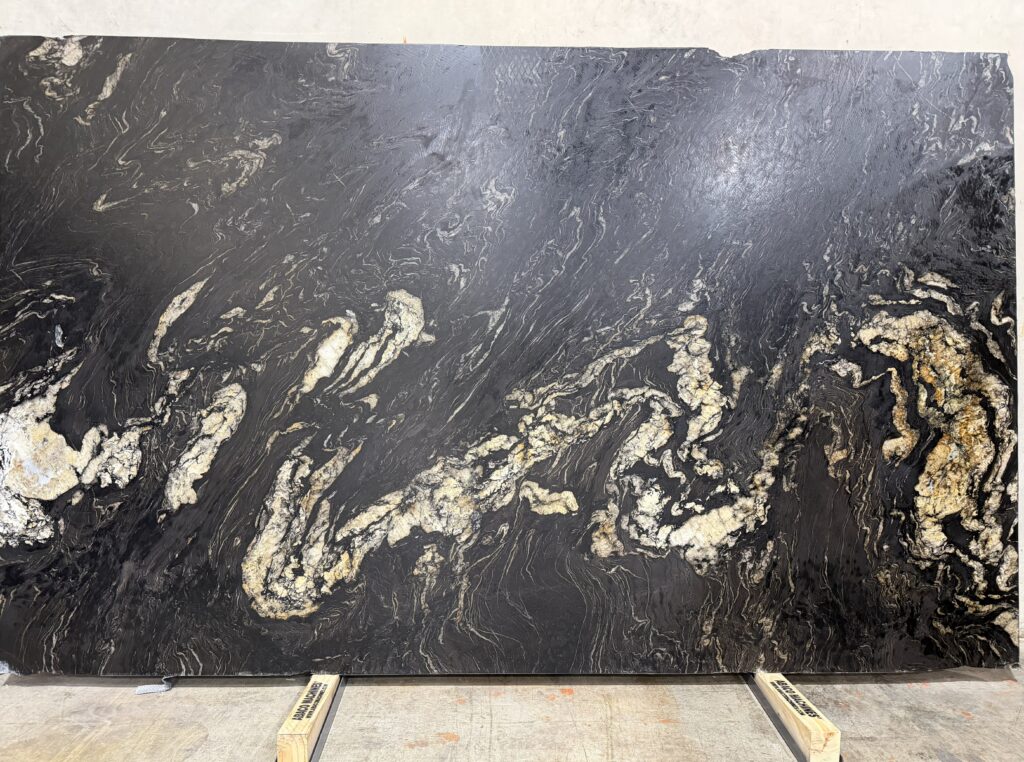
Elevate your space with the bold elegance of Titanium Gold Granite. Dramatic black swirling with warm gold—pure luxury for your home
What a natural stone store should actually offer
A strong natural stone store does more than display inventory. It acts as a guide between inspiration and installation. That means helping clients compare quartzite to marble in a realistic way, explaining why one granite has a tighter pattern than another, and pointing out the details that affect the finished result, such as slab scale, veining direction, finish, and consistency.
In a boutique setting, curation matters. Not every slab deserves floor space. When a showroom is carefully hand-selected, clients spend less time sorting through average material and more time focusing on surfaces with real design potential. That makes the selection process easier, but it also tends to improve outcomes. Better material in the yard usually leads to a better visual result in the home.
There is also a practical side to this. Stone buying is often tied to a renovation schedule with multiple moving parts. Designers need dependable options they can present with confidence. Homeowners need clear answers on maintenance, durability, and suitability for kitchens, bathrooms, showers, and accent walls. Contractors and fabricators need consistency in communication. A store that understands all of those priorities becomes part of the project team, not just a stop along the way.
Why curation matters more than sheer volume
Large slab yards can feel impressive at first glance. Rows and rows of material suggest endless choice. But too much volume without guidance can create a different problem: decision fatigue. When every aisle looks similar and there is no one helping you narrow by style, application, or performance, the process becomes harder, not better.
A curated showroom takes a more disciplined approach. Instead of stocking everything, it focuses on what is worth specifying. That often means better color clarity, stronger patterning, fewer distracting inconsistencies, and materials selected for both beauty and use. For a design-conscious homeowner, that distinction is substantial. You are not just choosing a category like marble or quartzite. You are choosing the exact slab that will define a room.
This is especially important with natural stone because no two slabs are identical. Even within the same material name, the movement, tone, and mineral composition can vary. A knowledgeable showroom team should be able to explain what is typical, what is exceptional, and what may require a more deliberate fabrication plan.
The difference between seeing stone and understanding it
Seeing a slab is one thing. Understanding how it will live in your home is another. A good showroom visit should answer questions you may not know to ask.
Will that dramatic vein land at the sink cutout or run cleanly across the island? Does that polished marble fit your tolerance for patina, or would a quartzite give you the look you want with a different performance profile? Is that soft white background truly consistent across companion slabs, or will there be visible shifts?
These are not minor details. They influence layout, fabrication, maintenance, and the finished visual balance of the room. An expert-led visit makes those considerations visible early, when they are easiest to manage.
What to look for when visiting a natural stone store
Start with the material itself. Premium slabs tend to show stronger visual integrity. Colors read clearly. Movement feels intentional rather than chaotic. The finish is clean. You should not feel like you have to talk yourself into a slab because the category sounds right on paper.
Then pay attention to the guidance you receive. A high-touch showroom does not push clients toward the fastest decision. It asks the right questions. What room is being remodeled? How much natural light does it get? Are you drawn to bold veining or quieter movement? Do you want a statement island or a more restrained backdrop? The answers help narrow the field in a way that feels useful rather than sales-driven.
It is also worth noticing whether the staff explains trade-offs honestly. Every material has them. Marble offers unmistakable softness and elegance, but it develops character over time. Quartzite can deliver dramatic beauty with excellent durability, though each variety behaves a little differently. Granite remains one of the most dependable choices for active kitchens, yet the look can range from understated to highly expressive. Soapstone brings depth and mood, but its softer composition may appeal more to some households than others. Quartz offers consistency and low maintenance, though it does not replicate the full individuality of natural stone.
When a showroom speaks plainly about those differences, trust tends to follow.
A better showroom experience leads to better design decisions
Stone is rarely selected in isolation. It has to work with cabinetry, flooring, paint, hardware, lighting, and often the architecture of the home itself. That is why the showroom experience should support design thinking, not just product browsing.
In Austin and throughout Central Texas, many residential projects balance contemporary lines with warmth and texture. That makes slab selection especially important. A cool-toned white quartzite may sharpen a modern kitchen. A warm marble with subtle movement can soften a more traditional bath. A richly textured granite may bring needed depth to a room with simple cabinetry. The right showroom helps clients read those relationships clearly.
This is where a boutique environment has an advantage. One-on-one guidance allows for a more focused conversation around the project, the home, and the client’s priorities. Instead of being left to scan endless inventory, you can compare a refined group of options that genuinely fit the vision.
Why sourcing deserves attention
Most buyers look first at appearance, which makes sense. But sourcing quality matters too. Slabs that are carefully selected through strong supplier relationships often show better overall quality and more distinctive character. That does not mean every project needs the rarest or boldest stone. It means the material should feel intentional, not generic.
Experienced sourcing also helps with consistency. If a showroom is known for hand-picking material rather than buying broadly and passively, clients are more likely to encounter slabs with a higher level of visual and structural quality. For designers and builders, that reliability matters. For homeowners, it often means less second-guessing during a major decision.
At Unique Stone Boutique, that sourcing philosophy is central to the showroom experience. The emphasis is not on moving the most material. It is on presenting carefully hand-selected slabs that deserve consideration.
The best choice is usually the store that educates well
A beautiful slab can capture attention in seconds. Confidence takes a little longer. The natural stone store worth visiting is the one that makes you feel more informed at the end of the appointment than you did at the beginning.
That education should feel approachable, not overwhelming. You should leave understanding which materials fit your lifestyle, what kind of movement will look best at scale, and where the natural variation in stone is an asset rather than a concern. You should also feel that your project was treated with care, whether you are remodeling one bathroom or specifying surfaces for a full home.
For homeowners, that kind of guidance reduces uncertainty. For designers and trade professionals, it creates a smoother path to specification. And for the finished space, it often makes the difference between a surface that is simply acceptable and one that feels exceptional.
If you are choosing where to shop, look past square footage and start with the experience. The right showroom will not just show you stone. It will help you recognize the slab that belongs in your home.