
Granite for Kitchen: Is It Still Worth It?
A kitchen can look finished on paper and still feel flat in person. Then one slab arrives, and suddenly the room has movement, depth, and a sense of permanence that manufactured surfaces often struggle to replicate. That is why granite for kitchen design remains a serious consideration for homeowners who want natural character, durability, and a surface that does not feel generic.
Granite has been part of kitchen design for decades, which can make some buyers hesitate. If a material has been widely used, people start to wonder whether it still feels current. The better question is not whether granite is trendy. It is whether the right granite, selected well and fabricated well, gives your kitchen the performance and visual impact you want. In many cases, the answer is yes.
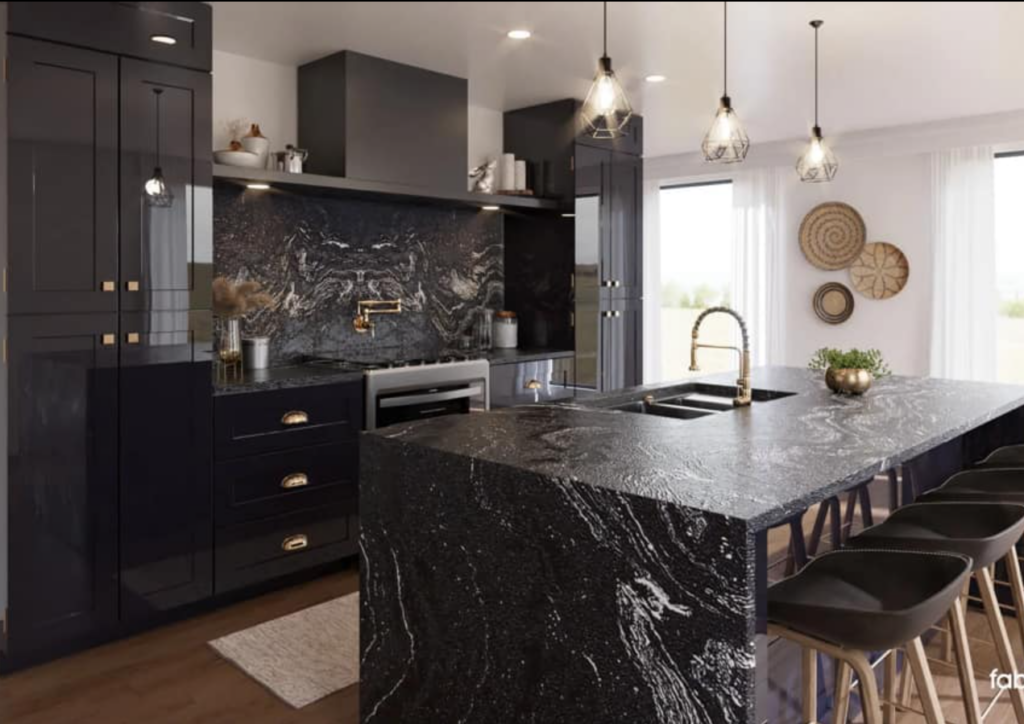
Granite offers the practical strength most kitchens require, and it brings one-of-a-kind visual detail that can elevate cabinetry, hardware, flooring, and wall color without feeling forced.
Why granite for kitchen spaces still earns attention
Granite remains relevant because it solves two needs at once. It offers the practical strength most kitchens require, and it brings one-of-a-kind visual detail that can elevate cabinetry, hardware, flooring, and wall color without feeling forced.
Unlike more uniform surfaces, granite has natural variation. That variation can be subtle, with a refined field of soft mineral patterning, or more expressive, with veining, movement, and contrast that becomes a central design feature. For homeowners who want a kitchen with personality, that matters. No two slabs are exactly alike, and that uniqueness is part of the appeal.
Functionally, granite is well suited to active kitchens. It is a hard natural stone, and when properly sealed and maintained, it performs reliably for everyday use. It stands up well to routine cooking, entertaining, and family traffic. For many households, it offers the reassuring feeling of a surface built for real life rather than careful display.
What granite does especially well
The biggest strength of granite is balance. Some materials lean heavily decorative. Others are selected almost entirely for practicality. Granite sits in the middle in a very favorable way.
It is heat resistant, which makes it attractive to serious home cooks. It is also scratch resistant relative to many other countertop materials, though that should never be treated as permission to use it like a cutting board. Granite also has a visual depth that tends to age well. A carefully hand-selected slab can feel grounded and sophisticated years after installation.
This is especially useful in kitchens that need both durability and design presence. If you have painted cabinetry in a softer neutral, granite can add texture and visual interest. If your cabinetry is already bold or richly toned, the right granite can anchor the room rather than compete with it.
Another advantage is range. Granite is not one look. Some varieties feel classic and quiet. Others feel architectural, dramatic, or even contemporary. Buyers who think they do not like granite are often reacting to a narrow set of older, overused colorways rather than the material itself.
The trade-offs to understand before choosing granite
Granite is excellent, but it is not automatic. A well-informed choice matters.
Because granite is natural stone, porosity varies by slab. Some granites are denser and lower maintenance, while others may require a bit more attention to sealing. That does not make them unsuitable. It simply means selection should involve more than color alone. A consultative showroom experience is valuable here because stone performance is not identical across every option.
Granite also tends to have more visible movement than some homeowners expect. That can be a benefit or a challenge depending on your kitchen. If you want a very restrained, uniform look, certain granites may feel too active. If you are trying to create warmth and visual richness, that same activity may be exactly what the room needs.
There is also the matter of seams and layout. With a patterned material, fabrication planning becomes especially important. A beautiful slab can lose impact if the flow is not considered across the island, perimeter, or backsplash. This is one reason in-person slab selection is so valuable. You are not just choosing a color category. You are choosing a specific piece of stone and how it will live in your space.
How to tell if granite is right for your kitchen
Granite makes the most sense when you want natural authenticity and are comfortable with a material that has visual variation. If you appreciate one-of-a-kind surfaces and prefer depth over perfect uniformity, granite is often a strong fit.
It also suits households that actually use their kitchens. For frequent cooking, entertaining, and daily wear, granite offers a dependable surface with long-term appeal. Homeowners who want a kitchen that feels elevated but not precious are often drawn to it for that reason.
On the other hand, if your goal is an ultra-consistent look with little to no pattern shift, another surface may align more closely with your design priorities. Neither approach is better in the abstract. It depends on what the room needs and how you want it to feel.
Choosing the right granite for kitchen design
The right granite starts with the room around it. Cabinet color, flooring tone, natural light, wall paint, and even the scale of your kitchen all affect which slab will feel balanced.
In a bright kitchen with white or light oak cabinetry, a granite with gentle movement can add softness and dimension without overpowering the space. In a darker kitchen or one with richly stained wood, a granite with stronger contrast can create a more layered, tailored result. Large islands often benefit from slabs with enough character to read beautifully at scale, while smaller kitchens may call for a quieter selection that keeps the room open.
Finish matters too. Polished granite highlights color and pattern with a more reflective, formal look. Leathered finishes can feel more relaxed, textural, and architectural. Honed surfaces offer a softer appearance but may behave differently depending on the specific stone. These are not minor details. Finish changes how granite reads both visually and tactically.
A premium showroom setting makes this process easier because you can compare full slabs rather than rely on small samples. Samples can be helpful, but they rarely communicate the movement, mineral composition, and overall rhythm of a natural stone. Full slab viewing gives you the confidence to assess what the material is actually going to do in the room.
Why slab selection matters more than people think
Granite is not a category you buy blindly. It is a material you select intentionally.
Two slabs sold under the same name can differ noticeably in color balance, veining, warmth, and movement. That is especially true with natural stone sourced from different regions or different blocks. A carefully hand-selected inventory helps narrow that variation toward higher quality and stronger design value, but the buyer still benefits from seeing the real slab.
This is where guidance matters. A knowledgeable stone specialist can point out whether a slab is visually quiet or active, where the strongest movement sits, and how that may translate to an island, perimeter counters, or backsplash application. That kind of expertise protects the design as much as the material choice itself.
In Austin and surrounding markets where homeowners are investing thoughtfully in remodels, many clients want more than a functional countertop. They want a kitchen with a distinct point of view. Granite can absolutely deliver that, but only when the slab is chosen with intention.
Maintenance without the myths
Granite has a reputation for being either effortlessly indestructible or overly high maintenance. Neither extreme is accurate.
In reality, granite is quite manageable when treated properly. Routine cleaning is simple, and sealing schedules depend on the specific stone and how the kitchen is used. The key is understanding that natural stone is a premium material, not a disposable one. A little informed care goes a long way.
That care is usually easy to live with, especially for homeowners who value the depth and authenticity granite brings. If you are the type of buyer who appreciates craftsmanship, material integrity, and surfaces that develop meaning through use, granite tends to feel less like a burden and more like a worthy choice.
Is granite dated, or just often selected poorly?
This question comes up often, and it deserves a direct answer. Granite is not dated. Generic selections and poor pairings can feel dated.
When granite is chosen from limited inventory without regard to slab quality, cabinet tone, or overall design direction, the result can feel heavy or overly familiar. But a refined granite with the right finish, thoughtful fabrication, and a strong relationship to the rest of the kitchen can look timeless and highly current.
The difference is curation. Better materials, better sourcing, and better guidance lead to better outcomes. That is true across all stone categories, but it is especially visible with granite because natural variation is part of the product.
If you are considering granite for kitchen surfaces, the smartest next step is not deciding from a screen. It is seeing real slabs, asking better questions, and paying attention to how a particular stone makes the room feel. The right granite does more than complete a kitchen. It gives the space weight, character, and a sense that the design was chosen with care.